24/7 Emergency Room in Irving, TX
Sharp flank pain in waves, blood in your urine, or a stone with fever? IV pain relief in minutes and on-site CT that finds the stone, 24/7.
A kidney stone is a hard mineral deposit that forms when urine gets concentrated and salts crystallize. Small stones often pass on their own. Larger ones can block the ureter, backing up urine and inviting infection.
According to the NIDDK, about 11% of men and 6% of women have a stone at least once, and Texas sits in the "stone belt" where hot summers concentrate urine and push those numbers higher.
Patients routinely call it the worst pain of their lives, worse than childbirth or a broken bone. The pain shifts as the stone moves, and it does not care what time it is.
Medically reviewed by the ER of Irving Medical Team | Updated: July 2026
The first two are true urologic emergencies. For the rest, come in for real pain control and a CT.
A stone with fever and chills can mean an infected, blocked kidney, which can turn to sepsis within hours.
A complete blockage is an emergency for the kidney. Come in immediately.
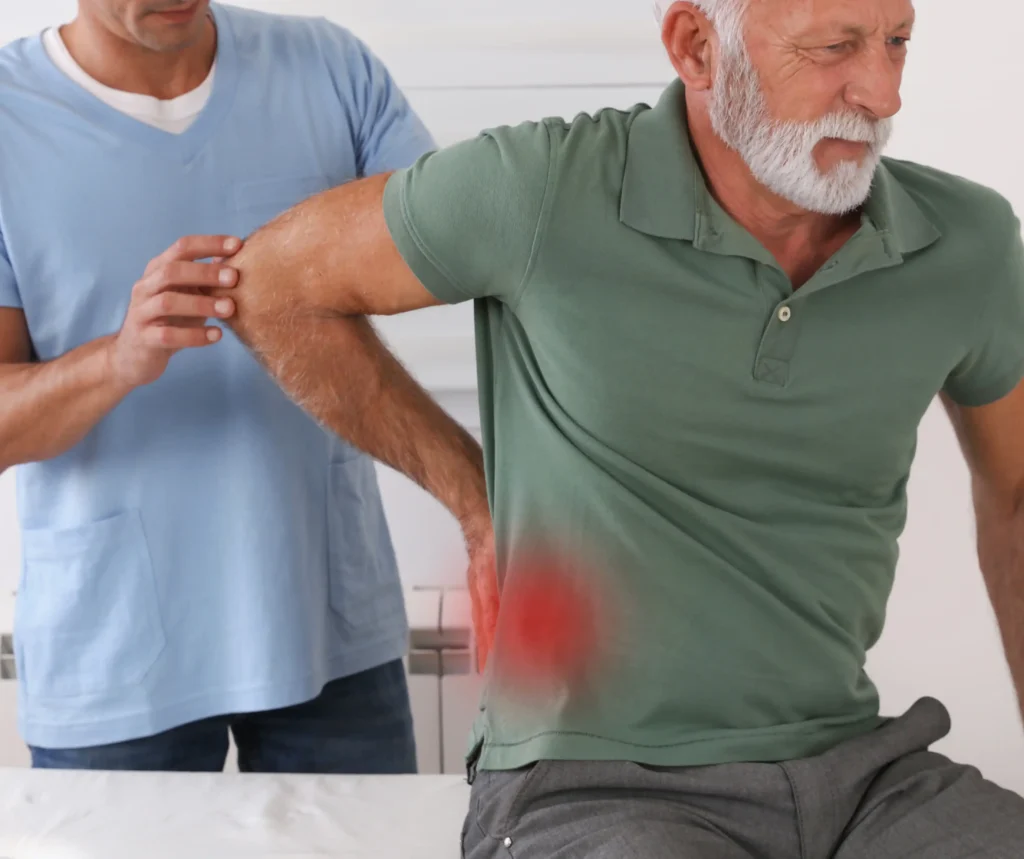
Sharp side or back pain below the ribs, shifting toward the groin as the stone moves.
Pink, red, or brown urine paired with severe pain needs same-day imaging.
When nothing stays down, oral pain medication cannot work. You need an IV.
Stone pain makes people pace. If you cannot sit still with it, come in.
A single kidney, a transplant, or chronic kidney disease raises the stakes on any stone.
Suspected stones in pregnancy get ultrasound instead of CT. Do not wait at home.
Most stone evaluations finish within 60 to 90 minutes, and pain relief comes first.
IV pain medication comes early. We do not make you wait in pain for test results.
Confirms blood, screens for infection, and checks kidney function on-site.
The gold standard: it locates the stone, measures it, and shows any blockage. Ultrasound in pregnancy.
Small stones get a passage plan with medication. Stones over 6 mm get urology coordination.

Relief usually starts within 30 minutes: IV pain medication, anti-nausea medicine, and IV fluids that rehydrate you and help flush the stone. A medication called tamsulosin relaxes the ureter so smaller stones pass easier.
If the urinalysis suggests infection behind a blockage, antibiotics start immediately, because an infected stone is the one that turns dangerous fast. We collect passed stones for lab analysis so your urologist can build the right prevention plan.
Stones larger than 6 mm rarely pass alone. Those need lithotripsy, ureteroscopy, or a stent, and we coordinate the urology referral or transfer before you leave.
Stone size and symptoms decide. Here is the honest split.
Fever with flank pain, cannot urinate, relentless vomiting, pregnancy, or one kidney. An infected blocked stone can become sepsis in hours.
Pain that oral medication cannot touch, blood in your urine, or pain with no comfortable position. IV relief works in about 30 minutes.
Mild flank pain, no fever, and fluids staying down: water, ibuprofen, and straining your urine to catch the stone can be enough.
Stones under 4 mm usually pass within two weeks. Stones between 4 and 6 mm pass about 60% of the time and can take a month. Stones over 6 mm rarely pass on their own and usually need a urology procedure. The CT scan tells us which situation you are in.
Yes. About half of people who form one stone will form another within 5 to 10 years without prevention. A 24-hour urine collection with your urologist identifies why your stones form and how to stop the next one.
Drink enough water to produce about 2 liters of urine daily, which in a Texas summer can mean 3 liters of fluid. Cut sodium, eat calcium with meals rather than avoiding it, and add citrate sources like lemon juice. Stone-formers should limit spinach, beets and dark chocolate.
Skip both during an active episode. Caffeine and alcohol are dehydrating, and concentrated urine is exactly what makes a stone harder to pass. Water is the drink that works.
Flying does not move the stone, but severe pain and vomiting are miserable to manage at 30,000 feet. If you have a known stone and significant pain, get an ER evaluation before you travel so you board with a plan and medication.
Emergency care is protected. Under the federal No Surprises Act and Texas Department of Insurance balance-billing rules, patients are shielded from surprise balance bills for emergency treatment. We post all required Texas disclosures and can discuss costs with you on arrival.
IV pain relief in about 30 minutes, a CT that finds the stone, and a plan to get it out. Walk in any time, day or night.
